Event Log

Observation Log

March 25th

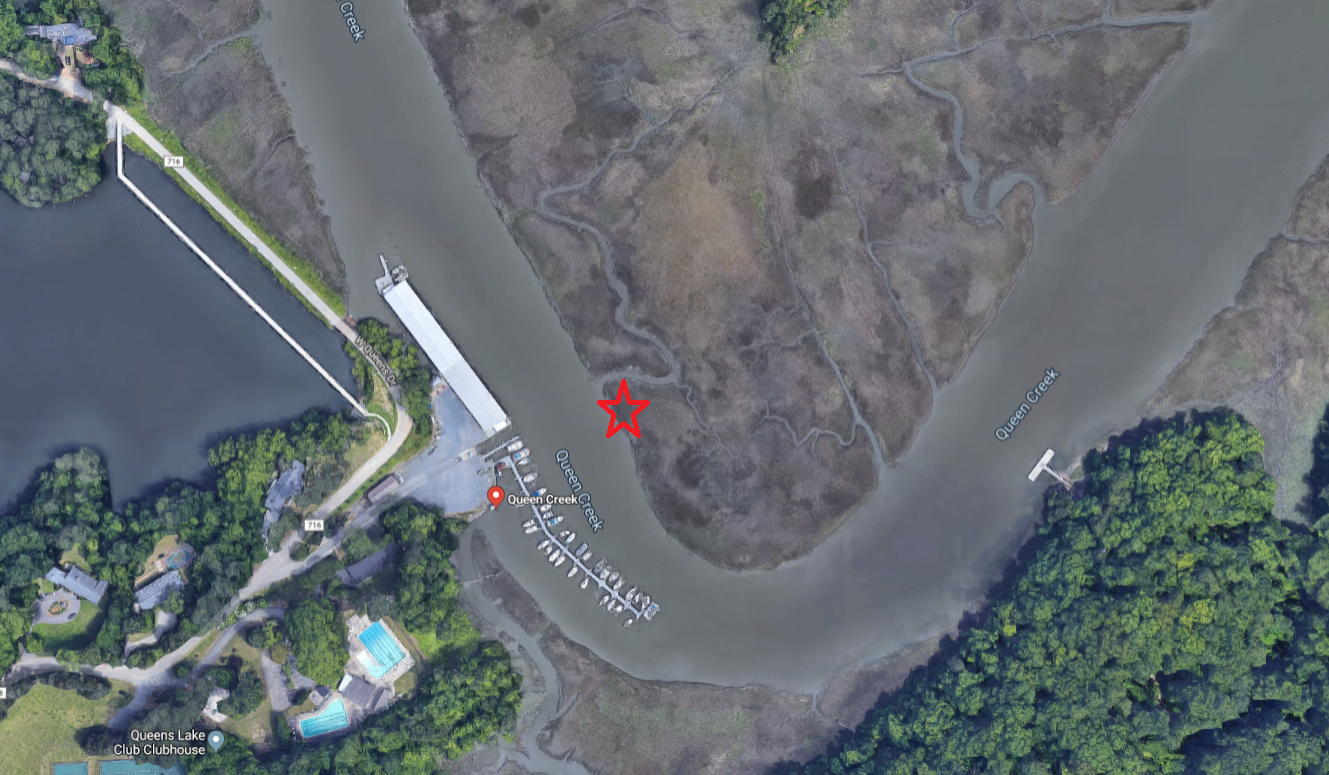
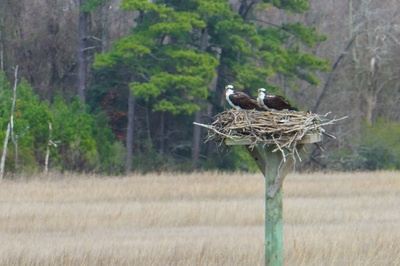
Met with Carol, the Virginia Master Naturalist spearheading the Project Osprey Watch nest monitoring in my area. Today we watched the pair for about 45 minutes. The nest was still fortified from last year and the ospreys were only doing slight patch jobs with sticks, netting, etc. The male was hunting and caught a fish during our time monitoring, however, he ate the fish himself, away from the nest. Carol told me this pair last year raised three healthy chicks, so I am hoping for another successful year. After surveying the marina for a little while with our binoculars we discovered a second nest about 200m away from the main nest we were monitoring. I estimate there are at least 6 breeding pairs on Queens Creek.
March 29th

Not a whole lot of action from the ospreys today. Went down to monitor in the early morning and whatever they say about early birds getting the worm, is not true about ospreys, they were very slow to wake up this morning. The male was perched on a sign near the nest and appeared to be grooming himself. The female was just hanging out in the nest. Quiet morning.

April 6th

This afternoon when I got to the nest I could tell something had changed. The female was sitting very low in the nest and only her head was just popping above. The male was out, probably hunting. Immediately I thought the female had laid eggs and was incubating them. If I am correct, she will be incubating the eggs for the next month or so.

April 12th

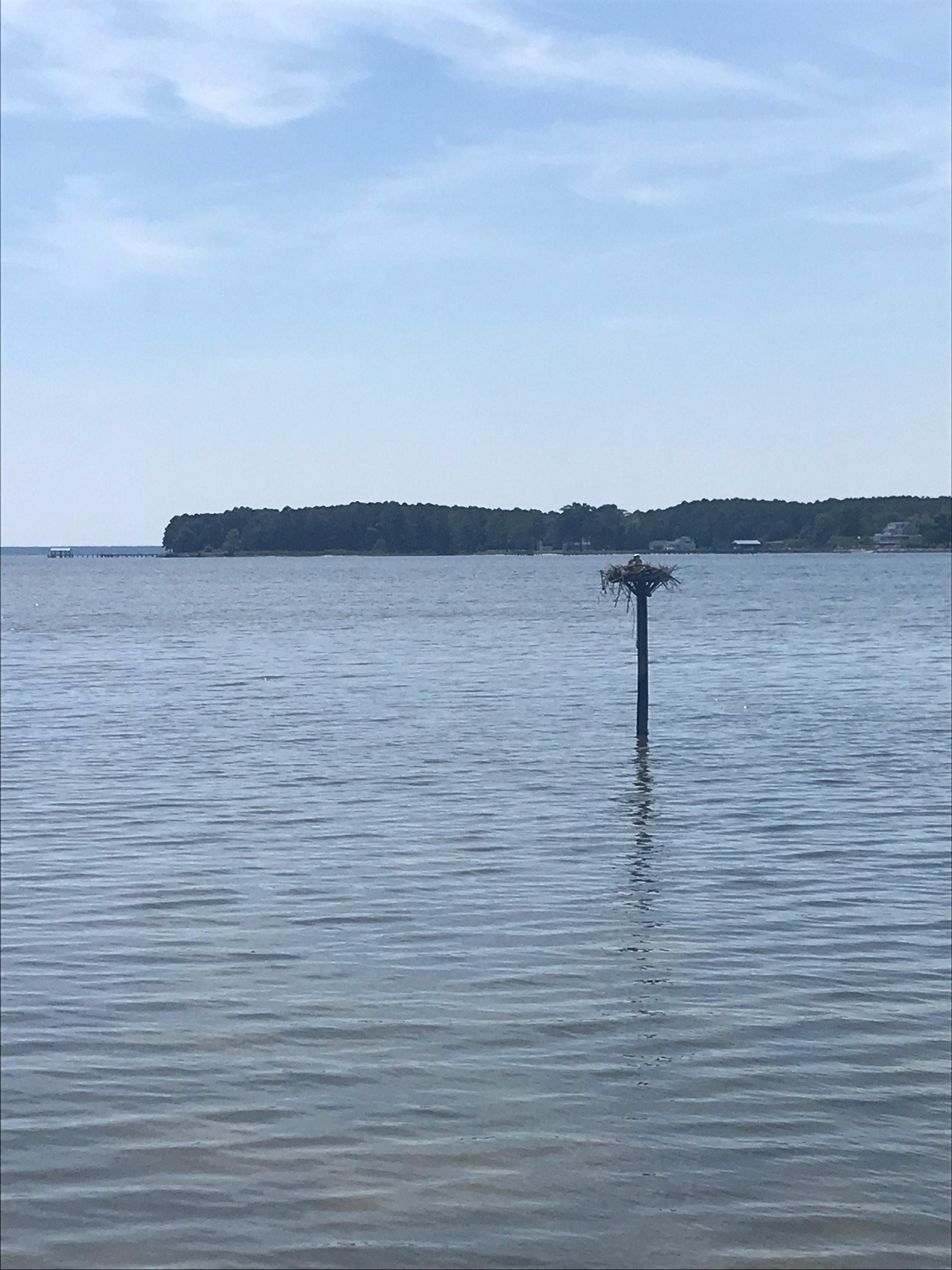
I believe my earlier suspicion was correct, and that the female is incubating her eggs, however, the nest is on an osprey platform on the far side of the channel, so I cannot quite peak into the nest. However, she is still sitting low down, looking around constantly, and not getting up, therefore, I really do believe she has laid her clutch of eggs. The male spends of his time hunting, cleaning himself, and watching the nest from nearby. He doesn’t seem to spend much time sitting at the nest.

April 20th

Based on Carol’s observations last year, the time of year (late spring), and my observations, the female has laid her eggs and they should be ready to hatch within two weeks. Their behavior has remained pretty consistent for the last two weeks. The male spends most of his day hunting for himself and the female and protecting the nest from other osprey. The female is incubating. Hopefully, after a few more visits we will have hatchlings and I will know the brood count.
Public Outreach

Project Osprey Watch is still a relatively new program, having first started in 2012, this volunteer-focused osprey nest monitoring program has yet to hit its first decade of compiling data and observations. That being said, the program definitely has areas where it can improve from a public outreach and messaging perspective. First of all, it should be noted that a big reason why outreach is lacking with Project Osprey Watch is because all the program coordinators and experts are full time professors and researchers. Therefore, they do not have the same time and resources available to allocate towards messaging and outreach as some non-profits do. According to Osprey Watch’s data, the project has been steadily losing numbers of volunteers annually. Furthermore, the administration has not shared any updates or news articles on the projects website since 2015. Similarly, there are no annual reports or updates about ongoing research with ospreys.

Obviously, because Project Osprey Watch relies so heavily on volunteer support, the program is not a high funding priority, even within the Center for Conservation Biology – its hosting organization. Moreover, the press releases and public outreach components have been left primarily with the community organizers and the volunteering entities. For example, Delaware promotes Project Osprey Watch through their Department of Natural Resource and Environmental Control: Division of Fish and Wildlife; and the state of New Jersey deserves special commendation for their contributions to the program, mentioned in last post. However, the program could gain from a dedicated coordinator position to manage volunteers, reporting, and administration. Project Osprey Watch would benefit tremendously from monthly or quarterly newsletters, and at the very least an annual report including photographs, mission statements/goals, acknowledgements, and any pertinent data and information from that year’s survey. Right now, Project Osprey Watch volunteers mostly come from organizations like the Virginia Master Naturalists and other outdoor/education based groups, however, publishing articles in a periodical, like the Bay Journal, can help spark interest and recruit volunteers from other demographics.

Methods & Reporting


In the Norther Hemisphere osprey mate during the spring and raise their brood through the summer, before returning to their wintering grounds further south. Osprey are monogamous and return to the same nests every year, which makes monitoring them easier. Project Osprey Watch compiles data globally from every nest that is actively being monitored each breeding season. Therefore, the project relies heavily on the active participation and reporting of volunteers and other citizen scientists. Volunteers are wonderful and their hard work has provided tremendous benefits to ecological studies, however, they are not without their limitations. Relying on volunteers to provide consistent reporting on the same nests year-after-year is not feasible. For this reason, data from Project Osprey Watch should be weighted accordingly and compared against data from scientific researchers and institutions. For instance, the annual data from Project Osprey Watch (see table below) shows a peak nest abundance in 2013 and then a dramatic decrease in numbers every year after. However, according to IUCN, Osprey status is “Least Concern,” and in the U.S. populations have been steadily increasing for thirty years. Therefore, the decrease in nest abundance seen in the Project Osprey Watch dataset does not signify an actual decrease in abundance, just a decrease in reporting.

Although the “Number of Active Nests” has steadily decreased every year since 2013, this does not correspond to the actual trends observed in osprey populations of the United States. In fact, the first six metrics in this graph are more representative of the number of active “nest watchers” per year, than they are of the number of active osprey nests. This is a typical shortfall of many projects which rely on citizen scientist volunteers and does not mean the project is unusable. The important metrics to highlight in this graph are the last two columns; “Number of Young Produced per Active Nests” and the “Number of Young produced per Successful Nests.” This is because these observations are averages of all the nests observed per year, not totals; which is why the “Number of Young Produced per Successful Nest” in 2013 is the same as it was in 2017. In other words, the number of volunteers is inconsequential when averaging all the observations. Therefore, these metrics are representative of the actual clutch numbers each year, whereas the “Number of Active Nests” is merely a count which varies annually based on available volunteer support.

Year Number of Active Nests Number of Successful Nests Number of Failed Nests Number of Young Produced Number of Young Produced per Active Nests Number of Young Produced per Successful Nests
2012 779 529 126 986 1.3 1.9
2013 1228 928 235 1831 1.5 2
2014 836 580 230 1102 1.3 1.9
2015 762 531 216 1014 1.3 1.9
2016 598 400 154 797 1.3 2
2017 501 305 162 595 1.2 2
2018 466 336 82 647 1.4 1.9
2019 82 10 7 13 0.2 1.3
Table 1: Source: Project Osprey Watch

Project Osprey Watch has been a tremendous resource for many conservationists and wildlife managers. Perhaps the best example of this is in the state of New Jersey, where every single known osprey nest in the state has been registered in the program. Furthermore, according to the Conserve Wildlife Foundation of New Jersey, “the majority of data collected during a census is by citizen scientists, or Osprey Watchers, and specially trained volunteers.” They go on to say, “From the data that is collected, it is used to help determine the overall size and health of the population, while engaging the public in osprey management and conservation, a key factor in the long term sustainability of ospreys in New Jersey.”

As mentioned in the introductory post, the goal of Project Osprey Watch is to gather data to help address the three major threats to osprey populations: environmental contaminants, depletion of fish stalks, and climate change. The Center for Conservation Biology (CCB) is “a principle advisor to government and non-government agencies responsible for the management and recovery of avian species at risk.” As such, data from Project Osprey Watch is used in New Jersey to help guide the State’s Wildlife Action Plan.

An Introduction to Project Osprey Watch

Project Osprey Watch

d

http://www.osprey-watch.org/

Why?

Osprey watch is a global community of citizen scientist and observers who monitor breeding pairs of Ospreys (Pandion haliaetus). The primary goal of Project Osprey Watch is to collect temporal and spatial data that is useful in addressing conservation issues, both to Osprey populations and the aquatic environments in general. Ospreys are one of the top consumers that occupy exclusively aquatic environments; as such, they are extremely sensitive to aquatic contaminants and overfishing. Furthermore, Ospreys breed in the northern latitudes, but winter in southern latitudes closer to the equator, therefore, they indicate environmental conditions over a large geographical range. For these reason, Osprey are a tremendous indicator for aquatic ecosystem stress.

Who?

Project Osprey Watch is administered jointly through the College of William & Mary and Virginia Commonwealth University’s Center for Conservation Biology. Non-profit organizations, government agencies, and citizen scientist can register online and become “nest-watchers,” with each entity monitoring a specific nest. I am working with the Virginia Master Naturalist Historic Rivers Chapter, which monitors numerous nests in James City County and York County, VA.

What?

For the project, I will be monitoring a single breeding pair and nest throughout the breeding season. This means monitoring breeding behavior, nesting, hunting, habits, hatching dates, fledging, protection, and all other aspects of the breeding and rearing process relevant to the project. Furthermore, I will communicate with other “nest-watchers” locally, and compare observations. The nest #676, is called “QL Marina” and has been continuously monitored for 7 years, since the program began.

Background.

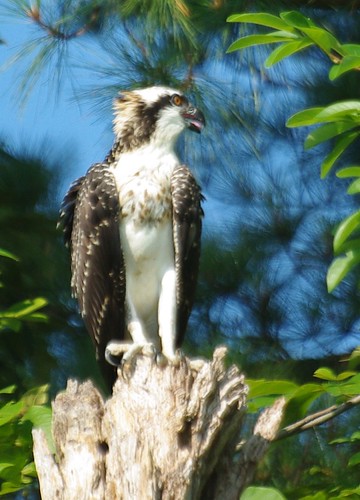
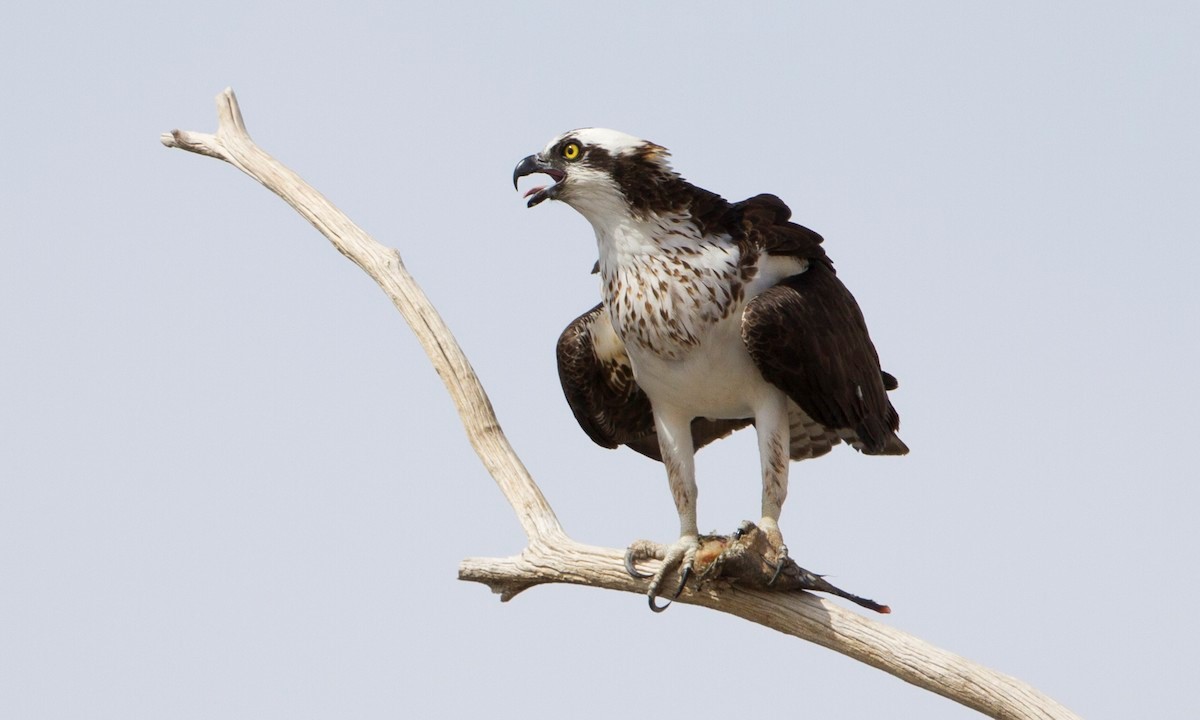
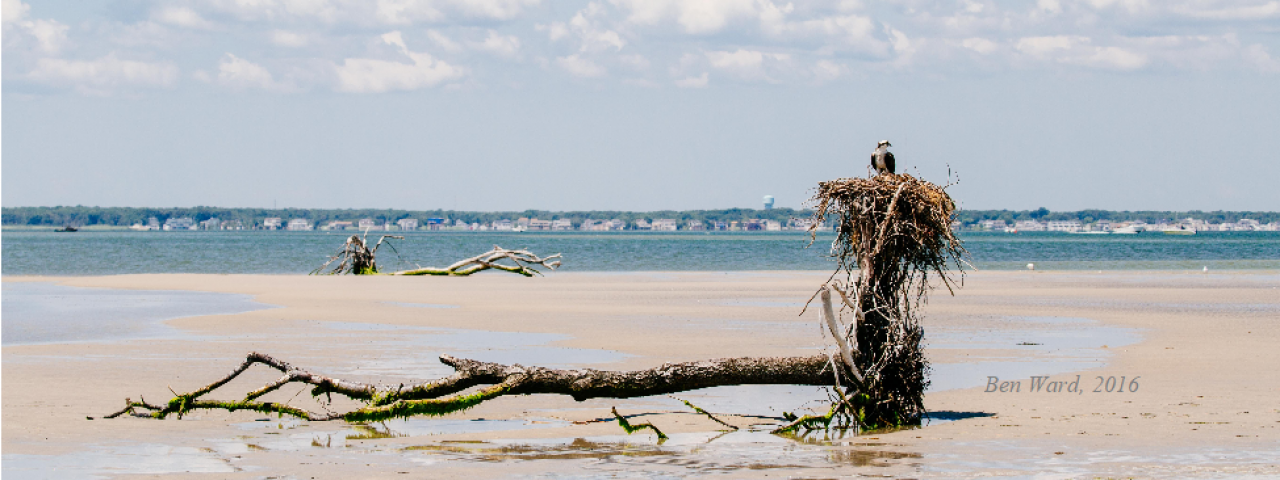
Osprey (Pandion haliaetus), known locally as the fish hawk, are a species of large raptor birds that are found across the globe, on every continent other than Antarctica. In the United States, Osprey conservation first became an issue in the 1950s-1970s, when Osprey populations were devastated by toxic pollutants, like DDT. Some areas in New England lost 80-90% of its breed pairs; the Chesapeake Bay watershed lost over half its breeding pairs during that time frame. (Bierregaard 2016) Osprey are one of the few species of raptors that utilize almost exclusively aquatic environments. Fish make up over 90 percent of an Osprey’s diet, therefore most nests are built in close proximity to large water bodies. (All About Birds) Being an apex predator in aquatic environments, Osprey are highly susceptible to all types of environmental pollution and degradation. When runoff from lawn and agricultural fertilizers leads to eutrophication in major water bodies, the resulting fish kills can drastically deplete the Ospreys major food source. Furthermore, pollutants such as organo-chloride pesticides (OCPs), poly-brominated diphenyl ethers (PBDEs), polychlorinated biphenyl (PCBs), and other flame retardants are increasingly found in toxic concentrations in aquatic ecosystems. The concentration of these toxins, and the effect they have on the ecosystem is increased dramatically as they move through the food chain; a process known as biomagnification, leading to distinct and pronounced effects in Ospreys, including egg thinning and increased offspring mortality. (Rattner 2003)

Although fish stocks in the Chesapeake Bay are currently stable, historically Osprey have suffered from overharvest of stocks. During the 1980s and 1990s, overfishing decimated Bay stocks of Atlantic Menhaden, the primary food source of Osprey. (VIMS 2011) Furthermore, this drop in abundance of Menhaden has been linked to increased rates of disease in Striped Bass, Ospreys secondary food source. (CBF 2019)

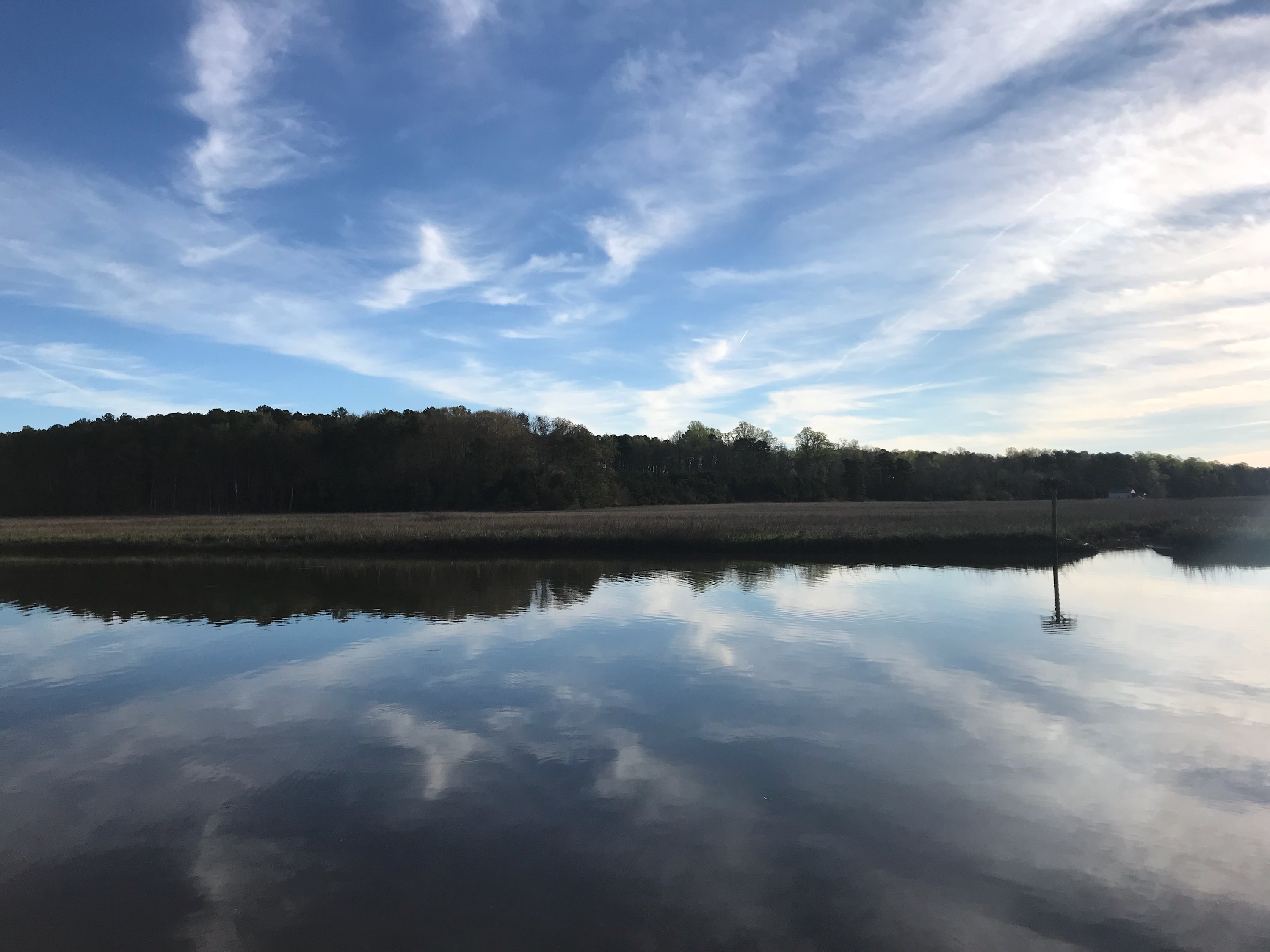
osprey.far

osprey.far

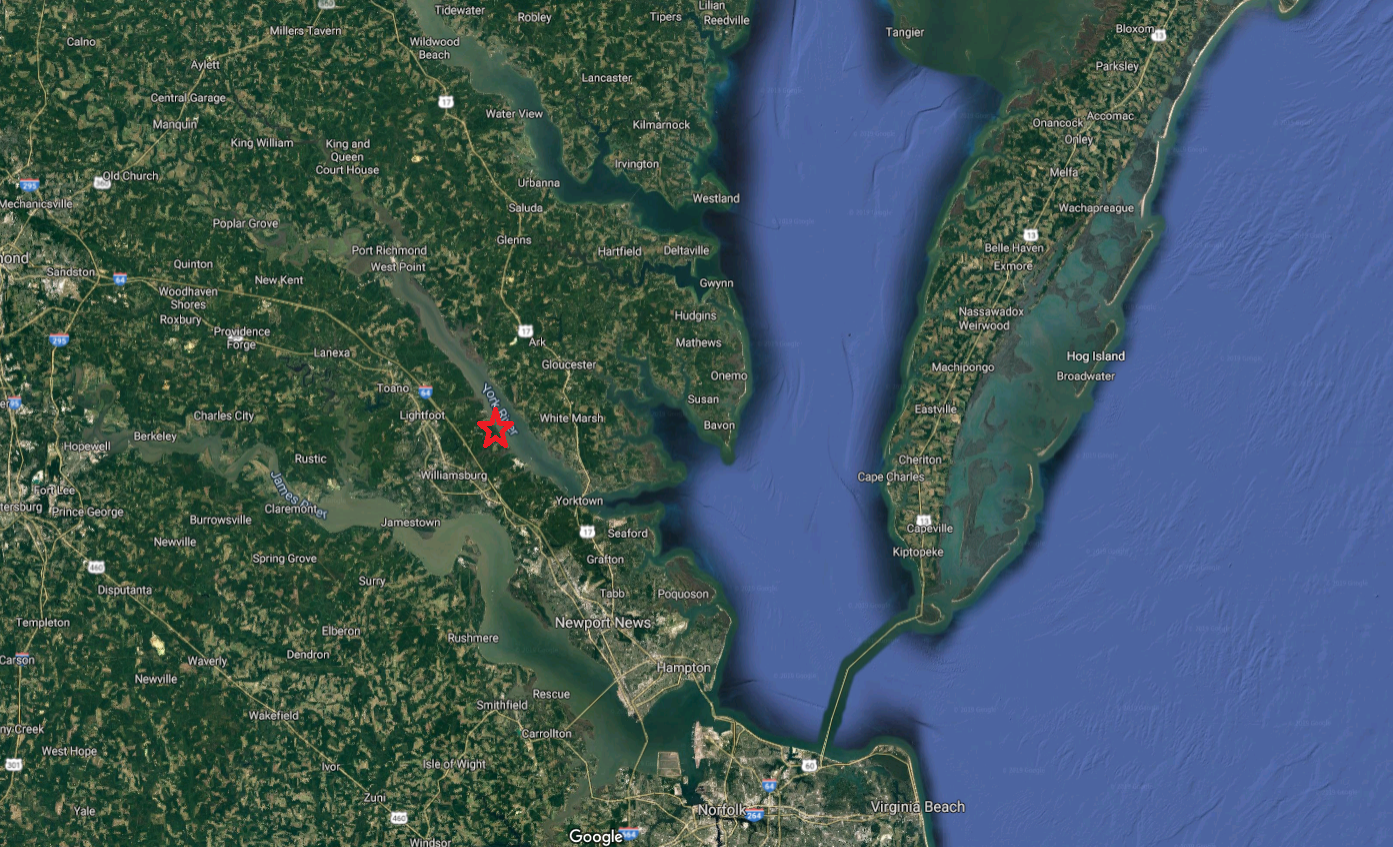
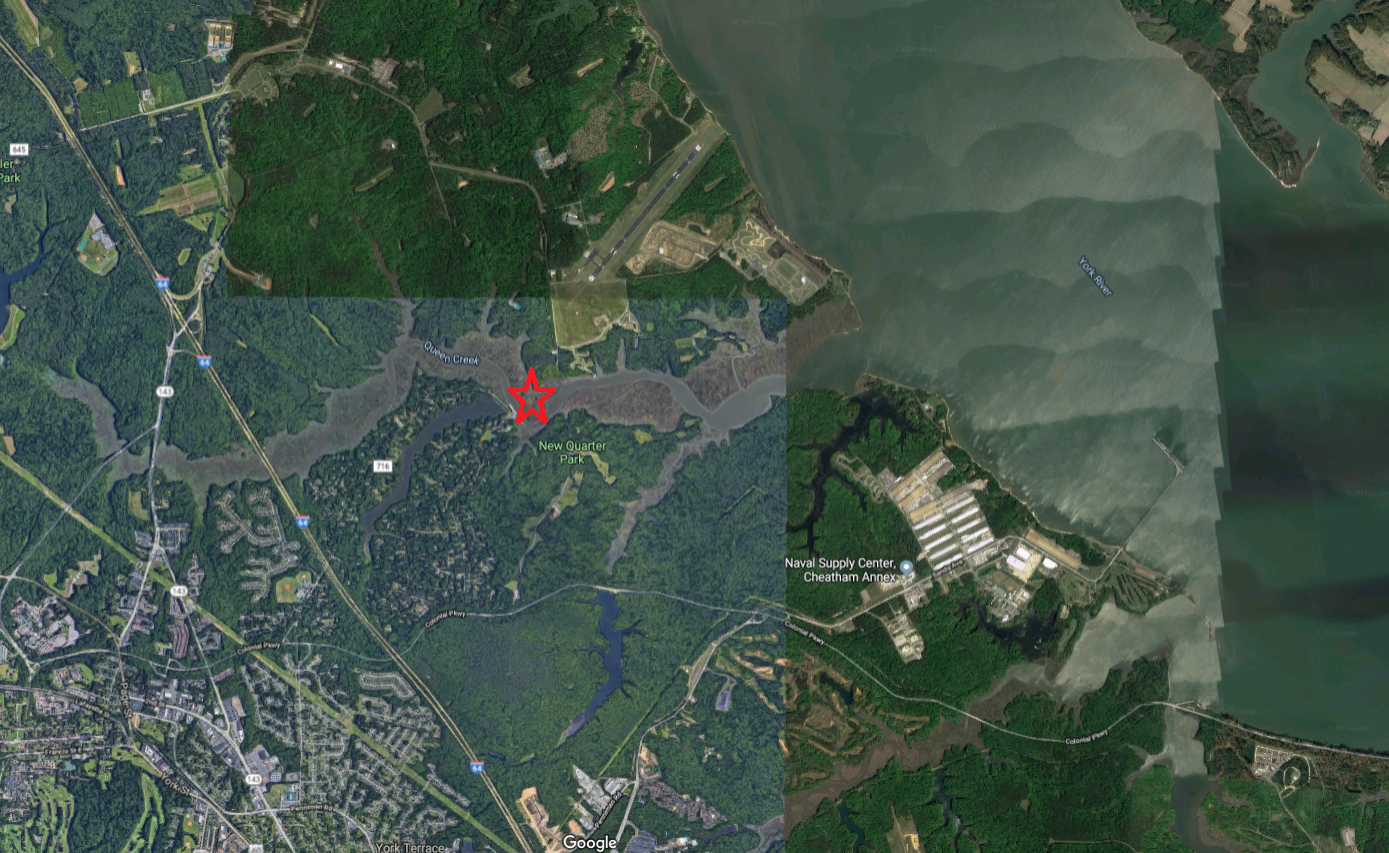
The nest I am monitoring is on Queens Creek, a tributary of the York River

osprey.close

All About Birds, Cornell Lab of Ornithology. Osprey Life History. https://www.allaboutbirds.org/guide/Osprey/lifehistory

Bierregaard, R. O., et al (2016). Osprey (Pandion haliaetus), version 2.0. In The Birds of North America (P. G. Rodewald, Editor). Cornell Lab of Ornithology, Ithaca, NY, USA. https://doi.org/10.2173/bna.683

Chesapeake Bay Foundation. (2019, February). Atlantic Menhaden: The Chesapeake’s Unsung Hero. https://www.cbf.org/about-the-bay/more-than-just-the-bay/chesapeake-wildlife/menhaden/

Rattner, B. A., et al (2003). Examination of contaminant exposure and reproduction of ospreys (Pandion haliaetus) nesting in Delaware Bay and River in 2015. Environmental Contimination and Toxicology, 47, 126-140. https://doi:10.1016/j.scitotenv.2018.05.068

Virginia Institute of Marine Science. (2011, March). About Ospreys. Retrieved from https://www.vims.edu/bayinfo/ospreycam/about_ospreys/